
CASE STUDY
Preparing High Performers to Become Effective Leaders
Helping a food manufacturing organization create a leadership development pathway that equipped newly promoted Leads with the skills, confidence, and support needed to succeed.
The Challenge
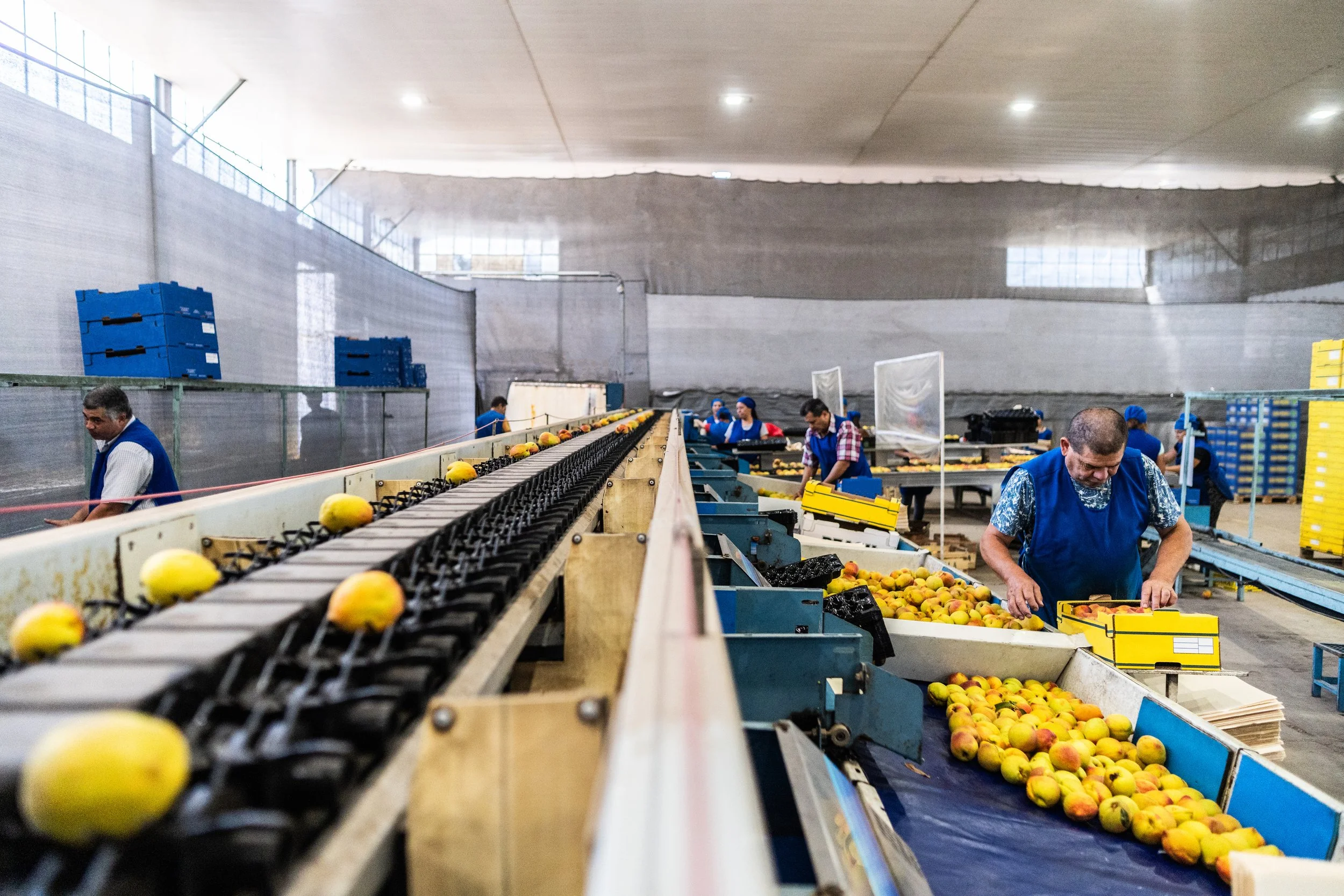
In manufacturing environments, Leads play a critical role between frontline employees and supervisors.
These employees are often promoted because of their technical expertise, strong work ethic, and ability to deliver results. However, being a high-performing employee does not automatically prepare someone to lead others.
Newly promoted Leads were expected to guide employees, solve problems, delegate work, communicate effectively, and support daily operations. Without formal leadership development, many struggled with the transition from being a peer to becoming a leader.
The organization needed a development program that would help Leads build confidence and capability in key areas, including:
Transitioning from peer to leader
Holding coworkers accountable
Delegating responsibilities effectively
Navigating difficult conversations
Solving problems independently and knowing when to escalate issues
The Solution
Following a successful partnership developing supervisor training, Idea Learning partnered with the organization to create a leadership development program specifically designed for Leads.
The project began with on-site observations and interviews with Leads and supervisors to understand the realities of the role.
This discovery process helped identify:
Daily responsibilities of Leads
Common workplace challenges
Decision-making expectations
Situations Leads should handle independently
Issues requiring supervisor support
Using these insights, Idea Learning designed a practical leadership program consisting of four interactive, two-hour instructor-led sessions.
The program focused on four critical leadership skill areas:
Problem Solving
Difficult Conversations
Transitioning from Peer to Lead
Delegation
The Approach
The program was built around a simple principle: leadership skills develop through practice, reflection, and application.
Rather than removing Leads from their work environment for traditional leadership training, Idea Learning built a custom training experience connected directly to the challenges they faced every day.
The approach combined:
Workplace observation and discovery
Scenario-based learning
Instructor-led practice
Action planning
Reinforcement through microlearning
Internal facilitator development
Results
The Lead Development Program provided the organization with a structured approach for preparing high-performing employees to become effective leaders.
Key benefits included:
Increased confidence in critical leadership skills
Greater clarity around Lead responsibilities and expectations
Improved readiness to address workplace challenges
Practical tools for delegation, communication, and problem-solving
Continued reinforcement of leadership behaviors after training
An internal training model that could be sustained over time
By combining classroom learning, workplace application, reinforcement sessions, and facilitator certification, the organization created a development experience that extended beyond a single training event.
Why It Worked
Promoting high performers into leadership roles is a powerful way to build internal talent, but success requires more than technical expertise.
This program recognized that becoming a leader requires a shift in mindset, communication style, and daily behaviors.
By focusing on real workplace situations and providing opportunities to practice new skills, the organization created a repeatable approach for developing future leaders and strengthening leadership capability across the workforce.
Because effective leadership development is not about preparing people to manage tasks. It is about helping them successfully lead the people who make the work happen.